NetSuite ERP Software for Energy Industry

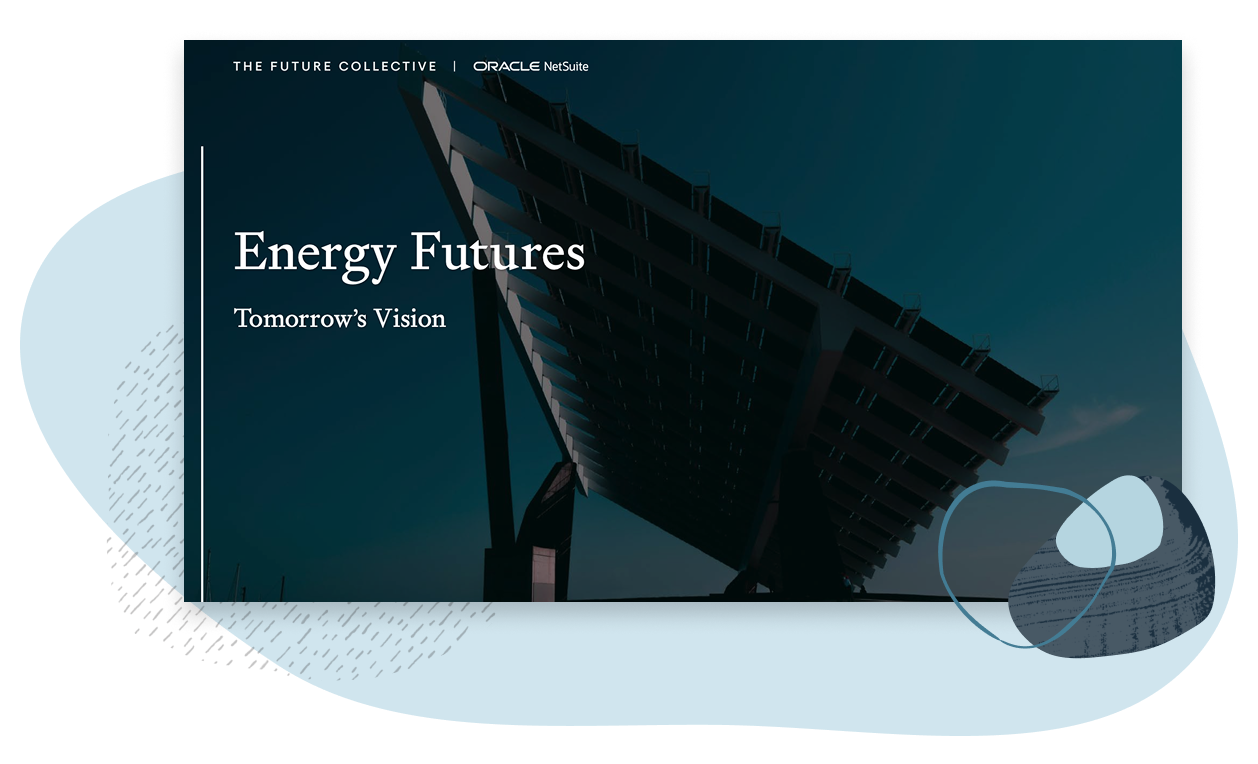
Energy Futures: Tomorrow’s Vision
The energy sector sits at the nexus of technology, markets and society, and as the system transforms, so must the leaders who shape it. Discover how AI, storage and virtual power platforms are redefining operations, how carbon and traceability are rewriting value, and how participation and circularity are reshaping the market.
Download the report to access clear frameworks, actionable insights and forward-looking perspectives to build resilience, reduce risk and unlock growth in the decisive decade ahead.
What is ERP Software for the Energy Industry?
ERP software for the energy industry integrates finance, asset management, supply chain and field operations into a single cloud platform. It helps energy companies manage projects, infrastructure and workforce activity with real-time data and automated workflows, bringing efficiency and resilience to every business unit — while supporting regulatory readiness and responsiveness to change.

Simplify complex energy operations

Beyond back-office systems
Energy companies face rising customer expectations, distributed assets and constant regulatory change. NetSuite ERP delivers an integrated platform that streamlines core processes — from planning and procurement to field operations and service delivery — enabling energy providers to work smarter, scale efficiently and securely and adapt as rapidly as the UK’s energy landscape evolves.
Features of NetSuite ERP for the Energy Industry
NetSuite delivers the financial management, project accounting and operational tools energy companies need to run complex operations efficiently. From managing distributed assets to tracking project performance and regulatory compliance, the platform adapts to your operational requirements.
Operations management
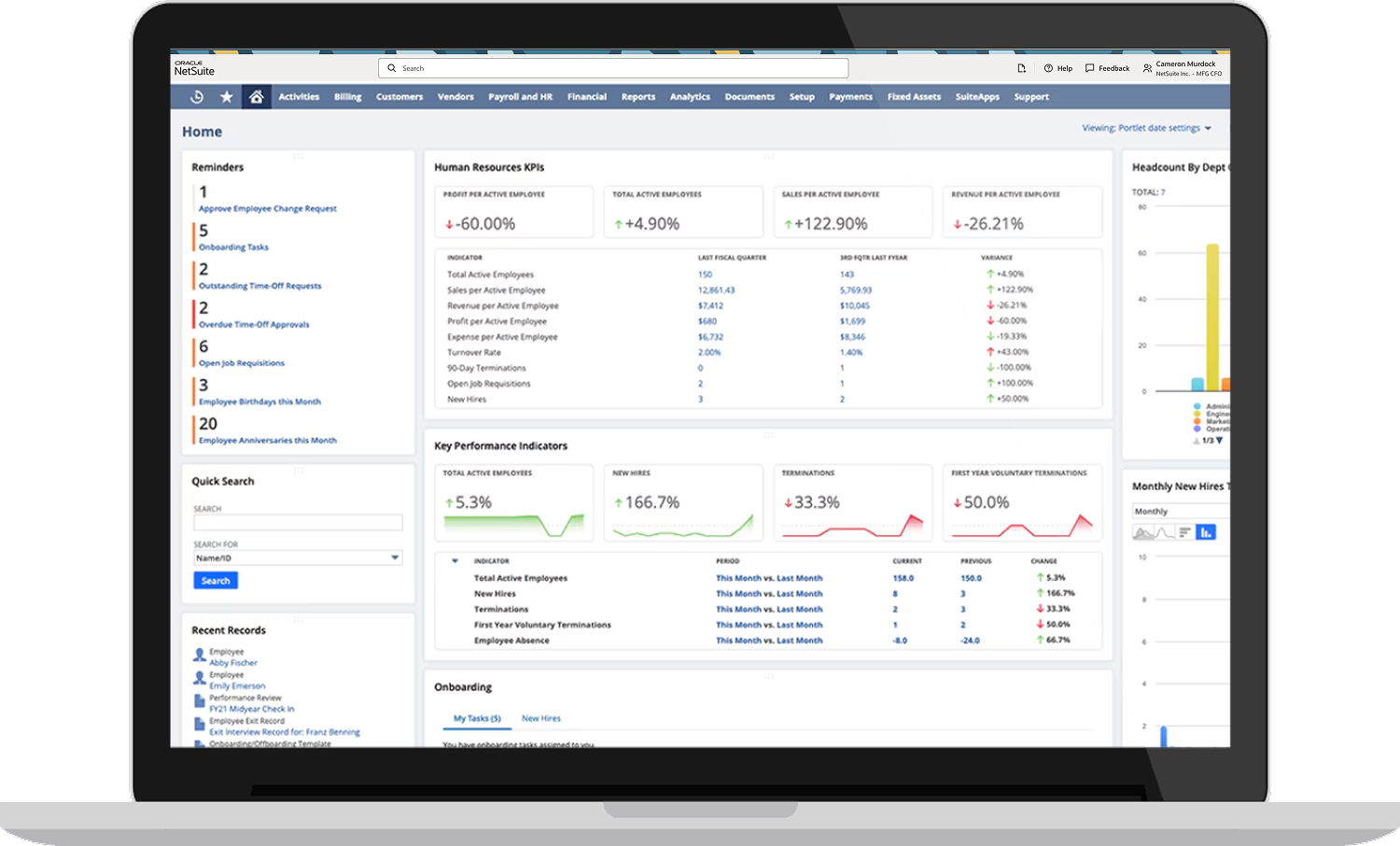
Plan and monitor energy projects, maintenance schedules and asset performance through connected workflows. Gain visibility across generation sites and a growing network distributed infrastructure, such as grid assets and storage systems.
Asset lifecycle management
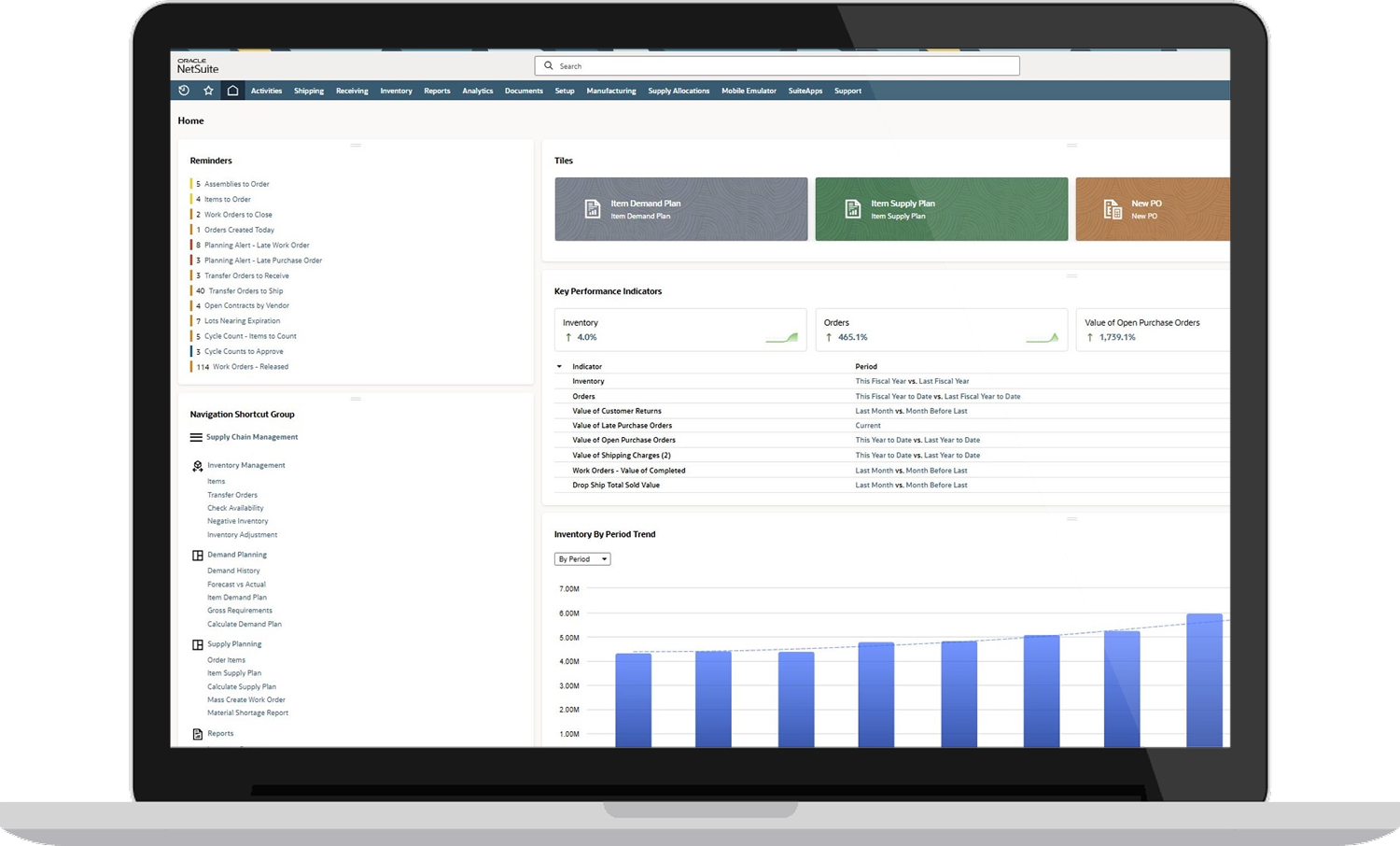
Track generation assets from acquisition to retirement. Manage maintenance schedules, replacement cycles and utilisation across plants, networks and field teams, with automated depreciation and asset registers.
Supply chain and procurement
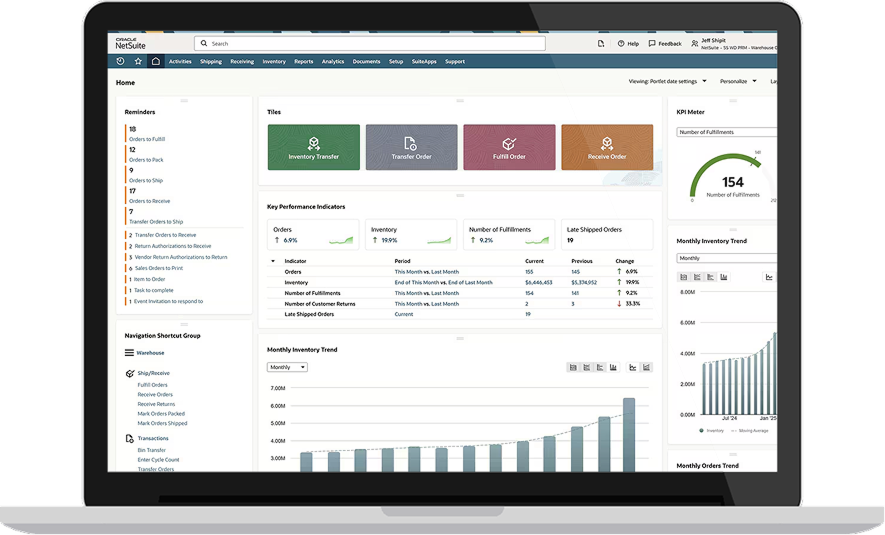
Optimise sourcing and supplier management for energy equipment and services with automated approvals, purchase tracking and on-time payments. Maintain transparency between procurement, contractor agreements and materials management.
Workforce coordination
Schedule field crews, contractors and service teams efficiently across distributed generation sites with integrated resource planning and mobile access to work orders and asset data. Quickly adapt to schedule changes and site priorities.
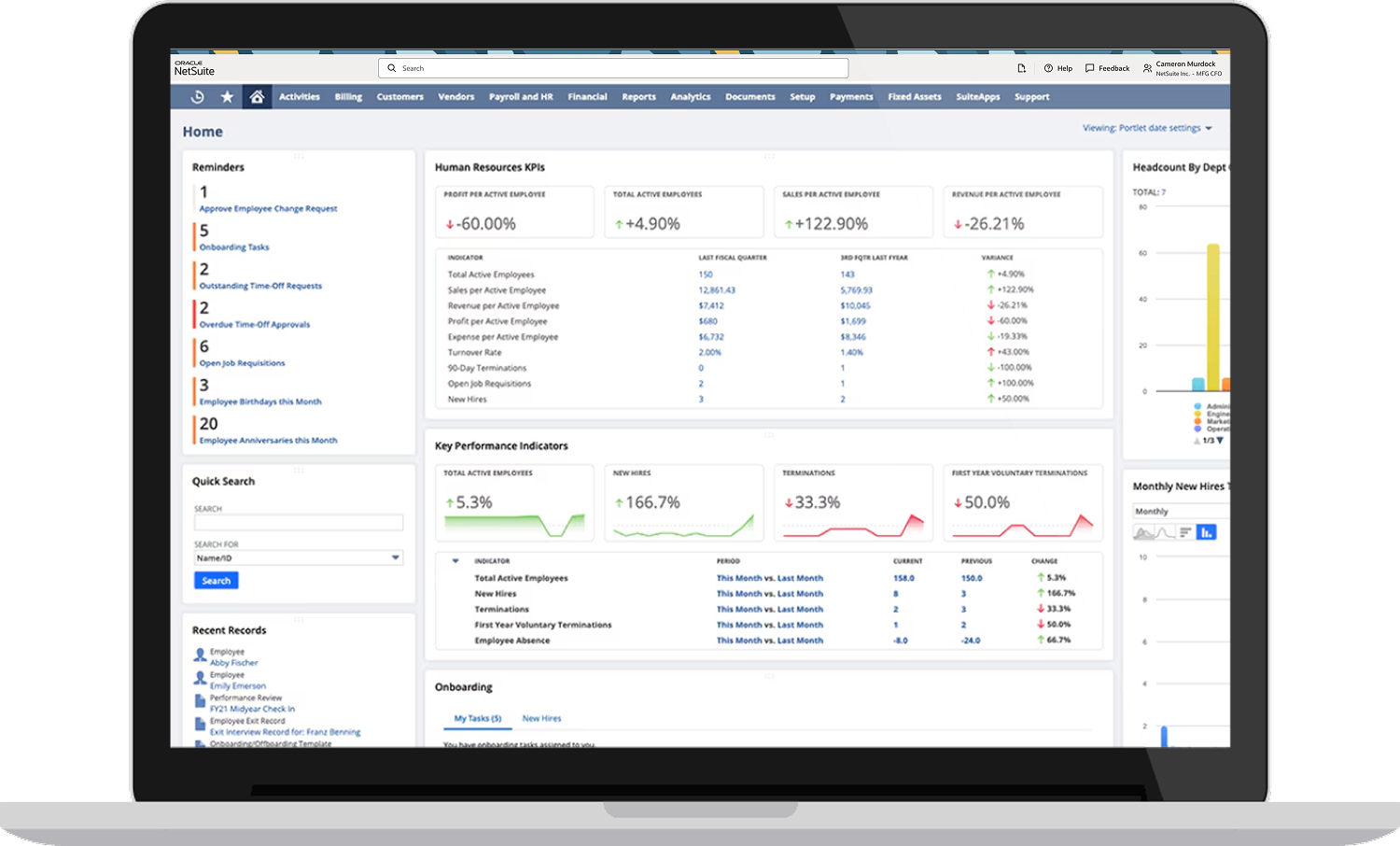
Billing and service management
Manage complex contracts and power purchase agreements, usage-based invoicing, customer communications and subsidy revenue on one platform. Improve accuracy and reduce billing cycles.
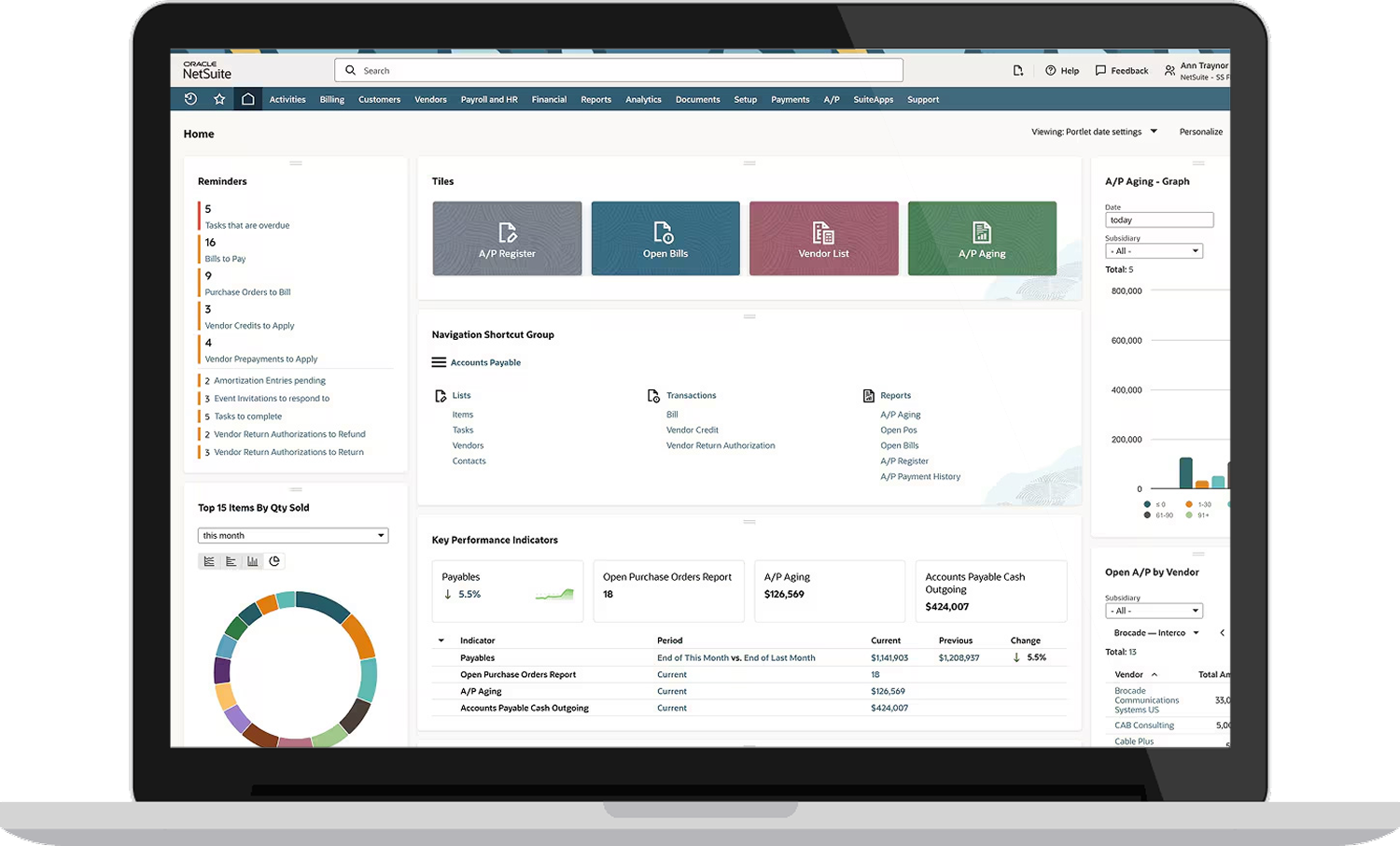
Project and performance tracking
Monitor progress, milestones and budgets in real time to maintain profitability across capital projects. AI-powered predictive planning spots budget risks and forecasts project outcomes against construction timelines for better decision-making.
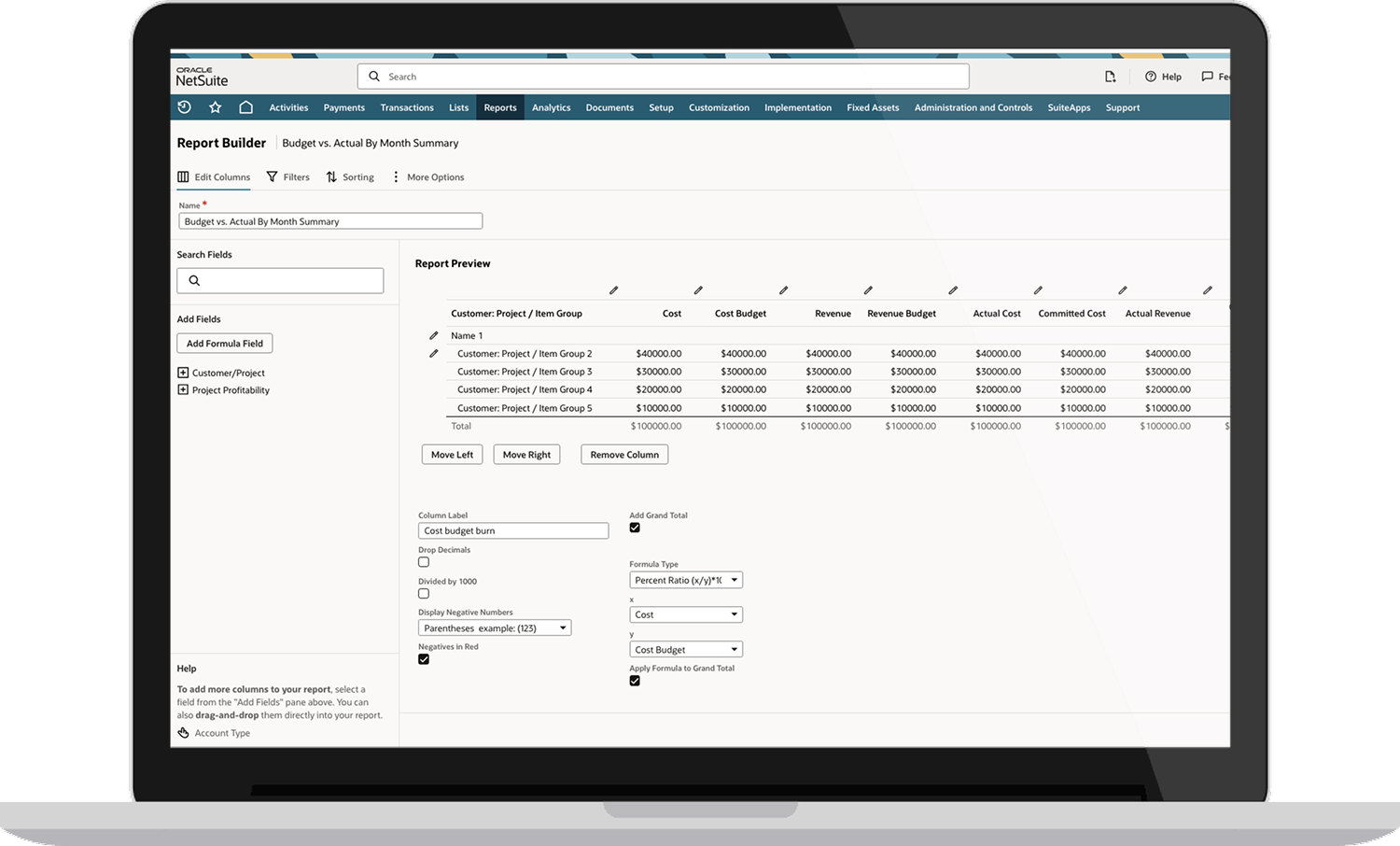
Governance and reporting
Strengthen oversight with configurable permissions, audit trails and reporting dashboards aligned with UK regulatory frameworks and corporate governance requirements. Maintain accountability with reliable, data-driven reporting.
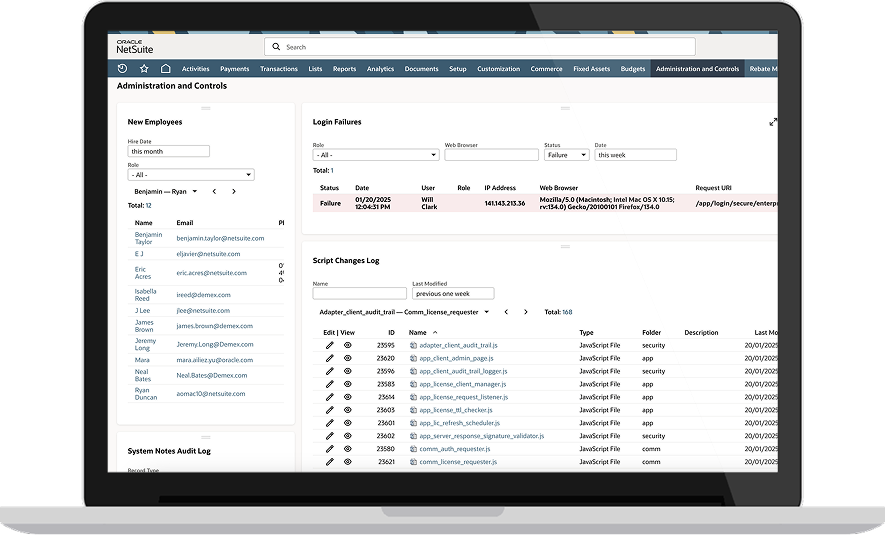
Integration and scalability
Connect easily to external applications for specialist functions, such as metering, energy trading, carbon accounting and geographic information systems (GIS). Expand seamlessly as operations grow and diversify across regions.
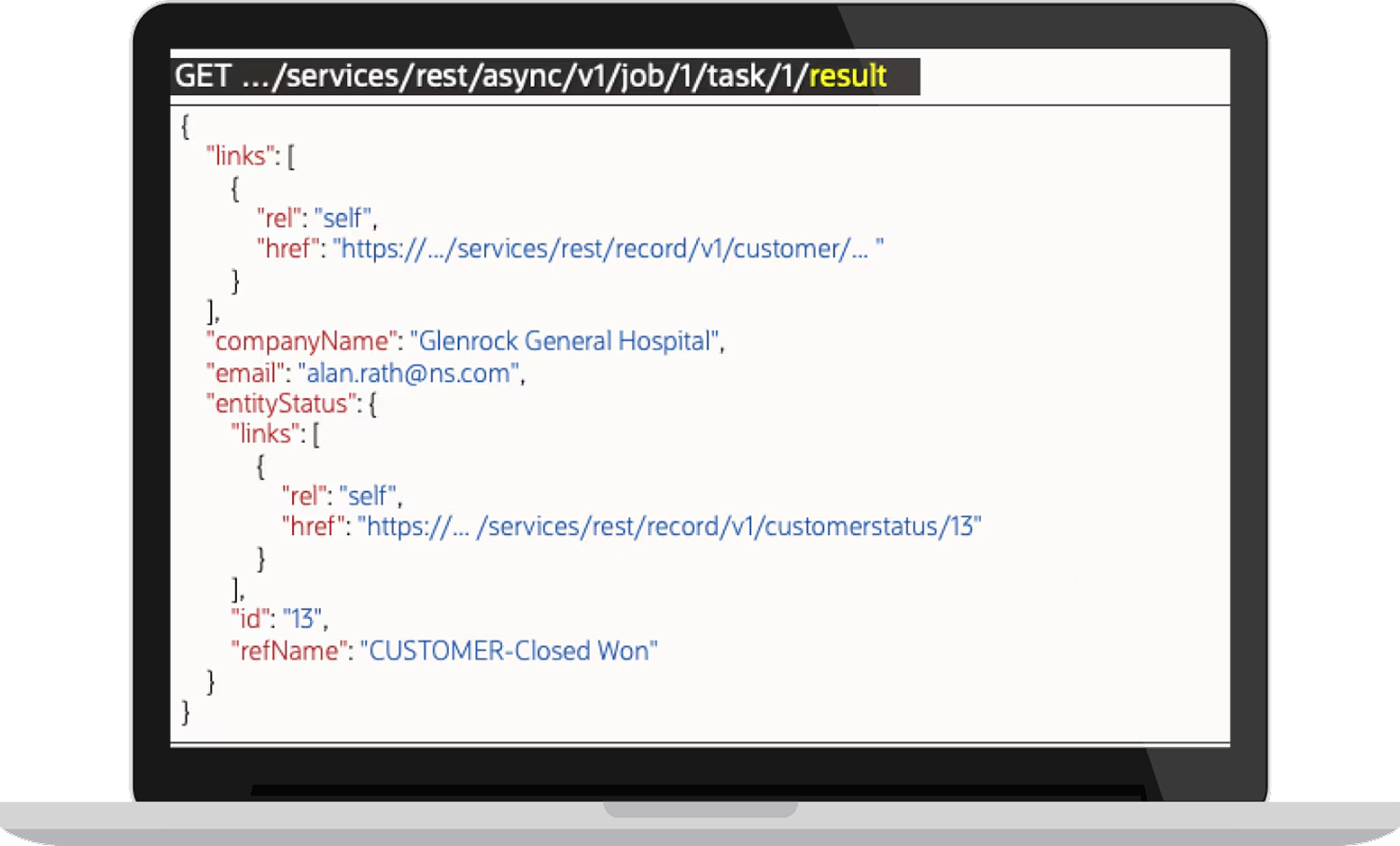

Learn how ERP can can simplify your operations
Free Product Tour(opens in a new tab)
The ability to use one set of data for operations, decision-making and reporting helps us to collaborate and deliver our products and services much more effectively.
Benefits of NetSuite ERP for the Energy Industry

Challenges NetSuite ERP for the Energy Industry can solve

SuiteSuccess – Your proven path to success
Leveraging more than 25 years of experience working with tens of thousands of organisations, across all industries and business sizes, our SuiteSuccess customer lifecycle methodology helps customers transform their business. It starts by building an AI-powered, integrated business suite with industry-specific solutions. Then we engage with your business to ensure that we’re addressing your specific needs and guiding you along the way on how to best consume and optimise NetSuite to solve challenges of today and the future. This approach helps ensure customers experience faster time-to-value, better ROI, and greater employee adoption.
Learn more
How much does NetSuite Energy ERP cost?
Companies of every size, from prerevenue startups to fast-growing businesses, have made the move to NetSuite. Looking for a better way to run your business but wondering about the cost?
Users subscribe to NetSuite for an annual license fee. Your license is made up of three main components: core platform, optional modules and the number of users. There is also a one-time implementation fee for initial setup. As your business grows, you can easily activate new modules and add users — that’s the beauty of cloud software.
Contact NetSuite Now(opens in new tab)Resources
Data sheets
Access specifications, features and benefits of NetSuite ERP for the Energy Industry.

Customer stories
Spark ideas with success stories from NetSuite customers.

Product demos
See NetSuite ERP for the Energy Industry in action.

Essential learning
Discover best practices and learn more about business fundamentals from beginner to advanced levels.
Please note that some capabilities described on the page require partner integrations.